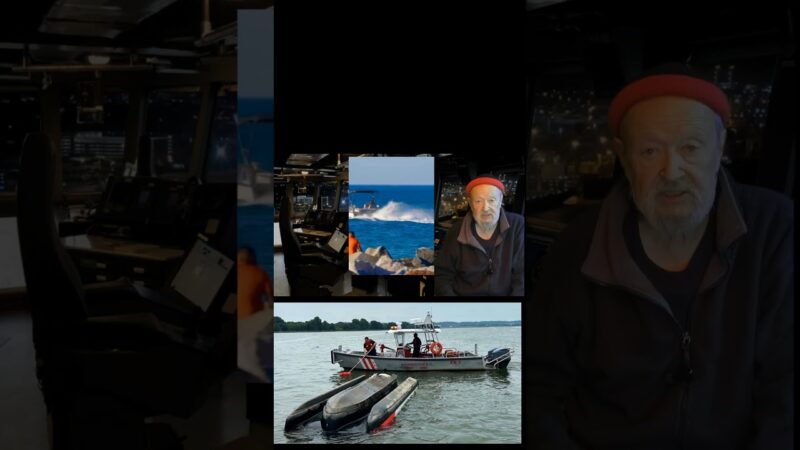
The Sea-Doo Switch, a pontoon boat designed and marketed by Bombardier Recreational Products (BRP), offers a blend of personal watercraft (PWC) handling and pontoon boat stability. While innovative and generally safe when operated correctly, like any watercraft, it presents several dangers and risks that potential buyers and operators should be keenly aware of. Understanding these can help ensure safe and enjoyable use.
🚤 Unique Handling Characteristics and Operational Risks
One of the primary differences—and potential dangers—of the Switch is its PWC-style handlebar steering and throttle control. Unlike traditional boats with a steering wheel and separate throttle/shift levers, the Switch operates much like a Sea-Doo jet ski.
Off-Throttle Steering Loss: Like most PWCs, the Switch uses a jet propulsion system, meaning the water thrust is required for directional control. If the operator releases the throttle, the engine stops pushing water, and steering control is effectively lost. This can be extremely dangerous in emergency situations or when trying to avoid obstacles close-by, potentially leading to a collision.
Rapid Turning and Ejection Risk: The hull design, which allows for sharp, nimble turns, can catch inexperienced operators by surprise. A sudden, aggressive turn at speed can create high centrifugal forces, potentially throwing passengers—especially those not holding on or sitting on the perimeter—off the boat. This is exacerbated by the open deck design.
Propulsion System Dangers (Intake): While jet drives are generally safer than exposed propellers, the powerful intake grate poses a risk. Loose items (tow ropes, lines, clothing) can be sucked into the intake, leading to immediate mechanical failure and loss of power/steering. Swimmers must also keep a safe distance, especially when the engine is running or idling.
⚓ Stability and Weight Distribution Concerns
While a pontoon boat, the Switch has a relatively smaller footprint and a design that integrates the engine into the hull, which can affect its stability under certain conditions.
Passenger Distribution: Like any boat, the Switch’s stability is affected by how passengers are distributed. Overloading the deck or having too many people congregate on one side can cause the boat to list significantly, reducing freeboard and potentially making it vulnerable to taking on water in choppy conditions. Adhering strictly to the stated capacity limit is crucial.
Wakes and Choppy Water: Though stable in flat water, its size and hull shape can make it susceptible to being tossed around by large wakes or heavy chop. Large waves hitting the side can feel jarring and potentially unsettle passengers, creating a higher risk of falls or injury.
🔥 Fire and Carbon Monoxide (CO) Risk
The Switch is powered by a standard internal combustion engine, bringing with it inherent risks:
Fuel and Vapors: Storing fuel or operating the engine without proper ventilation can lead to a buildup of flammable vapors in enclosed spaces, which could ignite with a spark. While the Switch’s design is relatively open, care must be taken during refueling and maintenance.
Carbon Monoxide Poisoning: Although rare on open decks, CO is an odorless, colorless gas produced by the engine’s exhaust. “Back drafting” can occur where the exhaust fumes are pulled back onto the deck, especially when idling or moving slowly. Operators should be aware of where the exhaust port is and avoid lingering directly near it, particularly when passengers are swimming or relaxing near the rear platform.
🛑 General Boating Safety and Regulatory Compliance
Finally, the Switch is subject to all the same dangers and regulations as other watercraft:
Operator Inexperience: Lack of formal boating education, overconfidence, or failure to understand navigation rules is a leading cause of accidents.
Environmental Hazards: Failure to monitor weather changes, navigating in fog, or being unaware of shallow waters, rocks, or underwater debris can cause grounding or catastrophic damage and injury.
Lack of Safety Gear: Not having readily accessible, properly sized personal flotation devices (PFDs) for every person, a fire extinguisher, or a proper anchor dramatically increases the danger in an emergency.
So, you might say the Sea-Doo Switch is a fun and innovative concept, but its unique PWC-like operation requires specific training and respect from the operator. Prudent operation, adherence to capacity limits, and mandatory safety education are essential safeguards against the potential dangers inherent in any high-powered watercraft.
| この動画について | |
|---|---|
| URL | https://www.youtube.com/watch?v=0imENABgGTM |
| 動画ID | 0imENABgGTM |
| 投稿者 | e-Marina |
| 再生時間 | 02:12 |
コメント